

What Does Living Parkinson’s Really Mean?
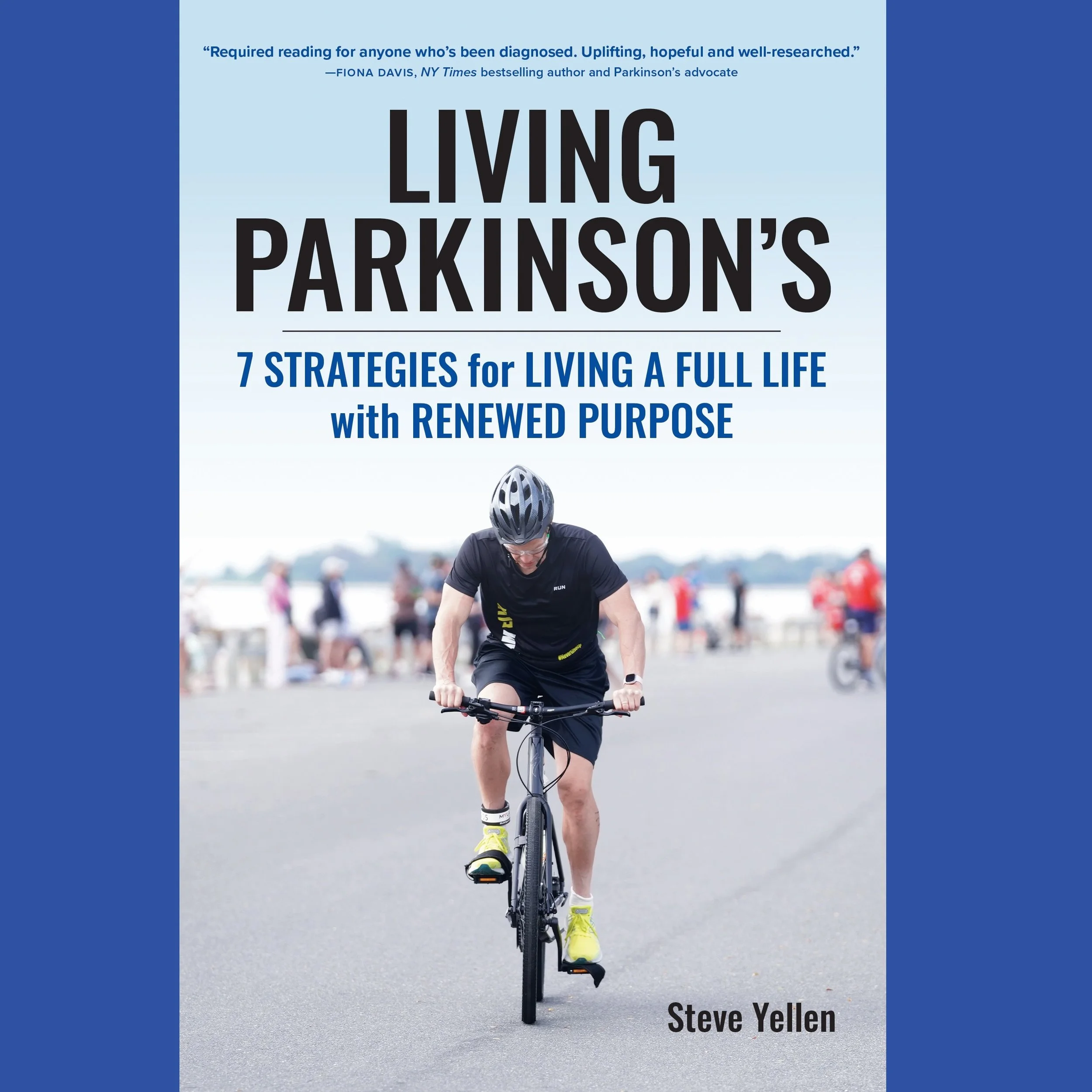
When people are diagnosed with Parkinson’s, the first questions are usually medical. What medication will I need? What symptoms should I expect? How often will I see my neurologist? Those questions matter, but they don’t fully capture what life with Parkinson’s actually looks like. Parkinson’s doesn’t just show up in a doctor’s office. It shows up every day—in routines, energy levels, relationships and decisions—and how you live with it outside the clinic makes a real difference.
When I was first diagnosed, I focused on following medical advice and keeping my life as normal as possible. To me, that was handling Parkinson’s. In reality, I was mostly reacting and hoping things wouldn’t change too quickly. It felt reasonable at the time, but it became limiting. I wasn’t getting worse overnight, but I wasn’t really moving forward, either.
Choosing to Engage
Eventually, I realized that waiting for Parkinson’s to dictate the next step was quietly narrowing my options. It was a turning point for me. I didn’t decide to “beat” Parkinson’s in any dramatic sense, but I did decide to engage with it more deliberately. My goal became simple and specific: to live my best life while doing everything in my control to slow progression and preserve quality of life for as long as I could. That shift—from reacting to engaging—became the foundation for my book, Living Parkinson’s.
Making Exercise Practical (and Sustainable)
Before Parkinson’s, I’d describe myself as a classic weekend warrior. I exercised, but without an overarching purpose. Parkinson’s forced me to rethink that. What I quickly learned is that exercise had to become routine, not occasional. The shift from sporadic effort to something more regimented was uncomfortable at first, but it turned out to be essential.
To keep myself accountable, I started using events as motivation. Signing up for different races and other challenges gave my training structure and deadlines. It created a reason to show up on the days when motivation was low. Over time, I realized that the events themselves weren’t the point. They were just tools—ways to stay engaged and consistent. The real value wasn’t crossing a finish line; it was building habits that carried over into everyday life. I came to learn that exercise doesn’t have to look the same for everyone. Not everyone wants—or needs—to train for events, and that’s fine. What matters is finding a sustainable way to move regularly, in a way that fits your life, your abilities and your interests. For some, it’s structured classes. For others, it’s walking, cycling, boxing or strength training at home. Living with Parkinson’s isn’t about doing impressive things; it’s about doing the right things consistently to keep yourself going.
Wellness: Aiming for What’s Sustainable—My 85% Rule
Beyond exercise, I started paying closer attention to wellness—nutrition, sleep, stress management and recovery. Like many people, my first instinct was to figure out the best possible approach and then try to follow it as closely as I could. That didn’t last long. I figured out quickly that chasing perfection was exhausting and unsustainable. Instead, I adopted what I call my 85% Rule. The idea is simple: understand what matters most, do about 85 percent of it consistently, and build something you can live with long term. It isn’t about lowering standards—it’s about making smart tradeoffs so good habits actually stick. Consistency, not optimization, becomes the priority. Diet was a good example of how that played out. I spent a lot of time learning what food might help and what to limit, but I also knew that any plan that cut out enjoyment wasn’t going to last. I wanted something that supported my health without making life feel smaller. Some changes stuck, others didn’t. The same applied to sleep and stress. What mattered wasn’t doing everything perfectly—it was having a realistic baseline I could return to and sustain over time.
Why Living with Parkinson’s Exists
As all of this unfolded, I started to notice a pattern. I wasn’t just trying things randomly anymore. I was building a framework, one that helped me decide where to focus, what to try next and when to adjust. That eventually expanded to include not just how I manage Parkinson’s personally, but also how I could contribute to the broader cause through things like advocacy and research participation. It’s what led me to write Living Parkinson’s. The book isn’t a checklist or a promise. It’s a framework grounded in science and lived experience that anyone can use to create their own actionable plan. I use it myself to decide how I structure exercise, how much attention I give to wellness, when to push and when to pull back. Others will use it differently, and that’s the point. Parkinson’s is personal, and the most effective plan is the one you can actually live with.
Building Forward
I’ve found that living well with Parkinson’s isn’t about doing everything right. It’s about staying engaged, learning as you go and being willing to adjust when something doesn’t work. Parkinson’s has changed my path, but hasn’t taken away my ability to influence how I live it. I don’t get it right all the time—but I get enough right to keep moving forward. Small steps, every day! If sharing what I’ve learned can help someone else feel a little less stuck and a little more capable of building their own plan, then writing Living Parkinson’s was more than worth it.
-Steve Yellen
The Living Parkinson’s book is available on Amazon